
Product Placement in Music Videos: 26 Examples & How It Works (2026)
Article Updated on March 7, 2026
Product placement in music videos is one of the most effective and least understood advertising strategies in the entertainment industry. It’s also one I’ve spent over a decade working around. As someone who’s built websites and run marketing for UK independent record labels since 2013, I’ve watched this side of the business evolve from rappers casually wearing their favourite brands to multi-million pound integrated campaigns that blur the line between music video and commercial.
This article breaks down how product placement actually works in the music industry, why brands pay for it, how much it costs, and 26 examples spanning four decades of music videos, from Run-DMC’s Adidas in the 1980s through to Ice Spice’s Dunkin’ and Fortnite deals in 2024. There’s also a subtlety rating for each one, because some of these are genuinely hilarious in how blatant they are.
If you’re interested in the broader picture of how music marketing has evolved, I’ve written about that separately.
How Product Placement in Music Videos Actually Works
Before we get to the examples, it’s worth understanding the mechanics. There are three ways a brand ends up in a music video:
Paid placement. The brand pays the artist or label a fee to feature the product. This is the most common arrangement for major artists. Costs vary wildly depending on the artist’s reach. For a mid-tier artist with a few million YouTube subscribers, a placement might cost £10,000 to £50,000. For someone like Drake or Beyoncé, it can run into six or seven figures.
Contra deals. The brand provides free products, services, or production resources in exchange for screen time. This is more common for emerging artists who need funding for their video shoots. The brand gets exposure; the artist gets a better production budget. Both sides win.
Organic mentions. The artist genuinely uses or likes the brand and features it without being paid. Run-DMC’s relationship with Adidas started this way. They wore Adidas because they loved the brand, not because they were paid. Adidas eventually signed them to a $1.6 million endorsement deal after seeing the cultural impact.
According to Nielsen, product placement within music videos can contribute to a lift of 8 percentage points in purchase intent and improved perception, higher than full-scale marketing campaigns and far cheaper and faster. A 2024 academic study published in Frontiers in Communication found that around half of the music videos in the rap/hip-hop genre contain brand references.
Why Brands Love Music Video Placements
Music videos solve a problem that traditional advertising can’t: ad fatigue. People skip YouTube pre-rolls, block banner ads, and mute TV commercials. But they watch music videos voluntarily, repeatedly, and with emotional engagement. A fan watching their favourite artist’s new video isn’t in “being sold to” mode. They’re in “entertainment” mode. That’s when brand impressions stick.
The numbers back this up. Beyoncé mentioned Red Lobster in “Formation” and the chain reported a 33% spike in sales that quarter. When Ice Spice partnered with Dunkin’ Donuts in 2023, the collaboration generated a viral moment that reached audiences who’d never seen a Dunkin’ ad in their lives.
The shift toward virtual product placement is also changing the game. Companies like Mirriad now use AI to digitally insert branded products into finished music videos after production. A 2024 CPG campaign measured by iSpot showed virtual product placement lifting average transaction value by 51% and earning a 5:1 ROI. This means brands can be added to existing content without the artist even being present during filming, opening up the model to smaller budgets and more scalable campaigns.
For more on how artists like Cardi B and MF DOOM approach marketing in the music industry, I’ve written a dedicated piece.
26 Examples of Product Placement in Music Videos
The Modern Era (2018-2025)
DJ KHALED (BELAIRE, KANDYPENS, BUMBU, CIROC, FASHION NOVA, D&G)
We start with arguably the most conspicuous product placements in recent years, and it comes from none other than the music marketing mogul that is DJ Khaled. This music video for ‘No Brainer’, which features Justin Bieber, is basically one long advert for not one, not two, three, four or five, but six brands. The man doesn’t feature products. He curates a brand portfolio and builds a music video around it.
SUBTLETY RATING: 0/10
ICE SPICE (DUNKIN’ DONUTS, FORTNITE, MERCEDES-BENZ, MARC JACOBS)
Ice Spice might be the most brand-integrated artist of the 2020s. Her Dunkin’ partnership in 2023 spawned a viral campaign. She became one of the first female rappers to be a playable character in Fortnite, with two custom skins based on her “Deli” and “Fisherrr” videos. Mercedes-Benz gave her a custom CLA with a melted chrome finish and “Princess” spelled across the doors. Marc Jacobs cast her in their Spring 2023 Heaven campaign. This isn’t product placement in a single video. It’s product placement as an entire career strategy.
SUBTLETY RATING: 2/10
TRAVIS SCOTT (McDONALD’S, NIKE, PLAYSTATION)
Travis Scott turned brand partnerships into cultural events. The “Travis Scott Meal” at McDonald’s in 2020 sold so well that some locations ran out of ingredients. His Nike collaboration has produced some of the most sought-after sneakers in history. PlayStation sponsored his Astronomical concert inside Fortnite, which was attended by 12.3 million concurrent players. Scott doesn’t do traditional placements. He builds entire worlds around brands.
SUBTLETY RATING: 1/10
ARIANA GRANDE (SAMSUNG GALAXY NOTE)
The Galaxy Note 5 is almost impossible to miss in Grande’s video for “Focus.” She holds the phone throughout the video, and the entire galaxy theme of the visuals mirrors Samsung’s branding. This was less product placement and more branded content that happened to have a song attached to it.
SUBTLETY RATING: 1/10
CARDI B (CHRISTIAN LOUBOUTIN)
“These expensive, these is red bottoms, these is bloody shoes.” Cardi B didn’t just feature a product. She made the brand name part of the hook. Christian Louboutin‘s signature red-soled shoes became central to “Bodak Yellow” and its entire message about wealth and status. Whether this was a paid placement or Cardi just genuinely loves the shoes is debatable, but Louboutin reported increased search interest after the song blew up.
SUBTLETY RATING: 3/10
POST MALONE (ROLLS ROYCE + MERCEDES-BENZ)
When Post Malone entered the scene in 2015 with his debut single ‘White Iverson’, he released a video alongside the track that featured a Rolls-Royce from the opening few frames. Throughout the video, the white Rolls-Royce can be seen drifting on dry plains, with some frames shot alongside a Mercedes-Benz. For a debut single, this was a statement.
SUBTLETY RATING: 3/10
DRAKE (NIKE)
In his music video for ‘Headlines’, the first few scenes show us Drake wearing a Nike Hoodie and a pair of Nike gloves. In these frames, the Nike logo appears to be a focal point as the dark garments contrast with the white swoosh, making the logo pretty hard not to notice. Drake’s Nike relationship has been one of the longest running in hip hop.
SUBTLETY RATING: 4/10
The 2010s Wave
MILEY CYRUS (BEATS BY DR. DRE + EOS LIP BALM)
In her 2013 single ‘We Can’t Stop’, Miley Cyrus can be seen starting the video by turning the volume up on a Beats Pill, shortly followed by a scene of Miley applying EOS lip balm before proceeding to do what she became known for in this era: being deliberately provocative. The Beats placement is lingering. The EOS placement is quick but unmistakable.
SUBTLETY RATING: 3/10
JUSTIN BIEBER (CALVIN KLEIN)
Calvin Klein’s marketing relationship with Justin Bieber isn’t exactly a secret. Besides featuring as an underwear model in recent ad campaigns, it looks as though the deal included promotion in music videos too. In his video for ‘What Do You Mean’, the camera focuses in on Bieber’s boxers as he gets cosy with his female counterpart.
SUBTLETY RATING: 5/10
AVICII (SONY XPERIA)
In his video for ‘Wake Me Up’, the late Swedish DJ Avicii is seen playing a concert in front of thousands of fans. From 2:56, one of the fans can be seen pulling a Sony Xperia out of her pocket and taking a photograph, with the logo clearly visible throughout the frames. A relatively natural placement compared to others on this list.
SUBTLETY RATING: 6/10
KE$HA (PLENTY OF FISH, REVOLUCION, & BABY-G)
In Ke$ha’s 2010 music video ‘We R Who We R’, two women can be seen DJing in front of a crowd whilst simultaneously using the dating website ‘Plenty Of Fish’ (because that’s what all DJs do between tracks). The following scenes feature multiple frames of people pouring Revolucion tequila and one very blatant frame shortly after promoting Baby-G watches.
SUBTLETY RATING: 0/10
BRITNEY SPEARS (SONY, PLENTY OF FISH, MAKE UP FOR EVER)
https://www.youtube.com/watch?v=Lgs9QfBxPG8
Britney’s 2011 comeback single “Hold It Against Me” was immediately criticised for the sheer volume of product placement. Sony products, the dating site Plenty of Fish (again), and Make Up For Ever cosmetics all get lingering screen time. The Make Up For Ever sequence is particularly jarring: Britney literally paints herself with the product during a fight scene. It became one of the most discussed cases of product placement overshadowing the actual music.
SUBTLETY RATING: 0/10
AVRIL LAVIGNE (SONY PHONE)
https://www.youtube.com/watch?v=gXJkEVOFpHo
This one opens with Avril casually saying “Oh, my new Sony phone is ringing” before pulling it out. It’s one of the most cringe-worthy product placements in music video history. The line is so forced and unnatural that it became a meme. If you ever want an example of how NOT to integrate a brand into a video, this is it.
SUBTLETY RATING: 0/10
JENNIFER LOPEZ (BLACKBERRY, FIAT, PLANET LOVE MATCH, TOUS, CROWN ROYAL)
https://www.youtube.com/watch?v=X3aT1riqkHc
Another shameless multi-product placement, and this time it’s Jennifer Lopez in her music video for ‘Papi’. The video starts off with J-Lo brandishing her shiny Blackberry before frantically trying to escape the hoards of men chasing after her (OK, J-Lo). During her plight to escape, J-Lo hastily walks past TOUS jewellers, paces past a man holding a bottle of Crown Royal whisky, passes another man using Planet Love Match on his laptop before jumping into a Fiat 500. Smooth.
SUBTLETY RATING: 0/10
DAVID GUETTA (RENAULT)
I don’t think anybody would disagree that David Guetta’s music video for ‘The Alphabeat’ really is just an elongated advert for the Renault Twizy electric car. The video begins with Guetta getting out of the car and hooking it up to a charging station next to a row of Twizys. He then proceeds to play a concert which appears to generate electricity to charge the cars below. At least the concept was creative.
SUBTLETY RATING: 0/10
LIL PUMP (GUCCI)
It’s not often that the brand is literally found in the name of a song, and Lil Pump’s hit single ‘Gucci Gang’ is probably the most blatant example of product placement in music videos in the streaming era. Besides being in the title, the word ‘Gucci Gang’ is uttered a total of six times during the chorus. And if that’s not enough, Lil Pump is also sporting a Gucci belt. Whether Gucci actually paid for it or Pump just really likes the brand is a question nobody has definitively answered.
SUBTLETY RATING: 0/10
DUKE DUMONT (PUMA)
As far as product placements in music videos are concerned, this example is pretty subtle. In the music video for ‘The Giver’, released by Duke Dumont in 2015, the camera momentarily pans in on a Puma trainer at 2:47 for less than a second. It’s still enough to be noticeable (but subtle enough to get away with!). Nicely done.
SUBTLETY RATING: 8/10
The Mega Strategies
BEATS BY DRE (40+ MUSIC VIDEOS, 2009-2020)
Not a single video, but a strategy worth its own entry. Beats headphones appeared in over 40 music videos between 2009 and 2020, including Britney Spears’ “Work Bitch,” Robin Thicke’s “Blurred Lines,” and Miley Cyrus’ “We Can’t Stop.” Dr. Dre and Jimmy Iovine’s plan was to make Beats synonymous with cool by getting them on screen with the coolest artists alive. It worked. Apple bought Beats for $3 billion in 2014. That’s what a sustained product placement strategy looks like when it’s done properly.
SUBTLETY RATING: THE STRATEGY GETS 10/10
LADY GAGA ft. BEYONCÉ (DIET COKE, POLAROID, VIRGIN MOBILE, MIRACLE WHIP, CHEVROLET)
This 9-minute video for “Telephone” was criticised for being swamped with brand integrations. Diet Coke, Polaroid, Virgin Mobile, Miracle Whip, and Chevrolet all appear. The Miracle Whip scene is particularly absurd: Gaga uses it as a sandwich ingredient during a murder sequence. It was so over the top that it became its own conversation about where the line between art and advertising should be.
SUBTLETY RATING: 0/10
The Classics
PSY (MERCEDES-BENZ)
It’s hard not to remember the song that broke the internet in 2012 from Korean pop star PSY. During the amusing video with what can only be described as ‘cocktail of drugs dad dancing’, PSY is seen prancing around a very, very shiny red Mercedes-Benz in more than a few scenes. With 5+ billion views (it was the first YouTube video to hit 1 billion), this is arguably the most seen product placement in music video history. Mercedes couldn’t have bought that kind of exposure with their entire annual advertising budget.
SUBTLETY RATING: 6/10
BEYONCÉ (RED LOBSTER)
When Beyoncé name-dropped the casual dining chain in “Formation,” Red Lobster’s sales jumped 33% that quarter. She wasn’t paid for it. She just mentioned them. That’s the power of organic brand integration from the biggest artist on the planet. Red Lobster didn’t even know it was coming. This is the single most effective unpaid product placement in music history.
SUBTLETY RATING: 7/10 (ORGANIC, BUT HARDLY SUBTLE)
KANYE WEST (LOUIS VUITTON)
Before Kanye’s Yeezy empire, before Adidas, there was Louis Vuitton. The “Flashing Lights” video is stylistically minimal but the luxury brand presence is unmistakable. Kanye’s entire aesthetic in this era was built around high fashion, and Louis Vuitton was central to that image. He later collaborated with the brand on a sneaker collection. This video was the starting point for one of the most significant artist/luxury brand relationships in pop culture.
SUBTLETY RATING: 6/10
RUN-DMC (ADIDAS) — “MY ADIDAS”
https://www.youtube.com/watch?v=JNua1lFDuDo
Run-DMC’s Adidas relationship is the original artist/brand partnership in hip hop. They wore Adidas because they loved the brand. Their 1986 track “My Adidas” was a genuine ode to the shoes, not a paid placement. When Adidas executives saw Run-DMC hold up their Adidas at a Madison Square Garden concert and 40,000 fans did the same, they signed the group to a $1.6 million endorsement deal. It was the first sneaker endorsement in hip hop history.
SUBTLETY RATING: 10/10 (ORGANIC, NOT PAID)
RUN-DMC ft. AEROSMITH (ADIDAS) — “WALK THIS WAY”
The follow-up. By this point Run-DMC had the Adidas deal, and the trainers are on full display as they perform alongside Aerosmith. This video crossed hip hop into the rock mainstream and took the Adidas brand with it. If you want to understand how independent music scenes build commercial relationships, the Run-DMC/Adidas story is where it all started.
SUBTLETY RATING: 10/10
NIRVANA (CONVERSE)
Nirvana’s ‘Smells Like Teen Spirit’ is one of the earliest examples of product placement in music videos. In the opening few frames, the camera moves alongside a member of the crowd, who is wearing Converse shoes. Despite featuring a product from the start, this is a very subtle placement compared to others. It wasn’t paid for. Converse just happened to be what kids wore in 1991. Sometimes the best placement isn’t a placement at all.
SUBTLETY RATING: 9/10
What Makes Product Placement Work (and What Makes It Embarrassing)
After looking at dozens of examples across four decades, a clear pattern emerges. The placements that work share three qualities: they fit the artist’s image, they serve the visual story, and they don’t insult the viewer’s intelligence.
The Beats headphone strategy is the gold standard. Headphones are a natural prop in a music context. Nobody questions why a musician has headphones. The brand gets screen time without breaking the viewer’s immersion.
The placements that fail share the opposite qualities: the product has nothing to do with the artist or the narrative, the camera lingers on it for too long, and the viewer feels like they’re watching a commercial. Avril Lavigne saying “oh, my new Sony phone is ringing” is the canonical example. Lady Gaga making a sandwich with Miracle Whip during a murder scene is a close second.
The newer model, where artists like Travis Scott and Ice Spice build entire brand ecosystems rather than doing one-off video placements, represents a fundamental shift. The placement isn’t in the video. The brand IS the artist’s world. McDonald’s meals, Fortnite skins, custom Mercedes designs. The line between music, marketing, and lifestyle has essentially disappeared.
Run-DMC and Adidas showed what happens when the relationship is genuine. Beyoncé and Red Lobster showed what happens when an organic mention hits at scale. The lesson for brands is clear: authenticity converts. Force it, and the internet will roast you for it.
For more examples of how advertising and entertainment intersect, check out 7 genius examples of product placement in TV and cinema and the past, present and future of advertising in video games.
Frequently Asked Questions
How much does product placement in a music video cost?
It depends entirely on the artist’s reach. For a mid-tier artist with a few million subscribers, expect £10,000 to £50,000. For A-list artists like Drake or Beyoncé, placements can cost six or seven figures. Some deals are “contra” (free products instead of cash), especially for emerging artists.
Do artists always get paid for product placement?
No. Some placements are organic. Run-DMC wore Adidas because they loved the brand, not because they were paid. Beyoncé mentioned Red Lobster in “Formation” without a brand deal. Cardi B rapped about Christian Louboutin because she genuinely wears them. But most visible placements in major music videos involve some form of compensation.
Is product placement in music videos legal?
Yes, but regulations vary by country. In the UK, Ofcom requires that paid-for product placement is disclosed. In the US, the FTC requires disclosure of “material connections” between advertisers and content creators. In practice, enforcement in music videos is inconsistent compared to other media.
How effective is product placement compared to traditional advertising?
Very. Nielsen research found that product placement in music videos drives an 8 percentage point lift in purchase intent, often outperforming traditional ad campaigns. The key advantage is that viewers are emotionally engaged with the content, not in “being sold to” mode. Beyoncé’s Red Lobster mention drove a 33% sales increase with zero paid media spend.
What is virtual product placement in music videos?
Virtual product placement (VPP) uses AI to digitally insert branded products into finished videos after production. Companies like Mirriad offer this technology, allowing brands to be added to existing music video content without the artist being present during filming. This makes placements more scalable and affordable for smaller brands.
Which brands appear most often in music videos?
Luxury car brands (Mercedes-Benz, Rolls-Royce, Lamborghini) and fashion brands (Nike, Adidas, Gucci) dominate. Beats headphones appeared in over 40 music videos between 2009 and 2020. Rolls-Royce is reportedly one of the most name-dropped brands in Billboard Top 20 songs.
Can small brands use product placement in music videos?
Yes, especially with emerging artists. Contra deals (providing free products in exchange for placement) are common for smaller brands working with up-and-coming artists. Virtual product placement technology is also making it more accessible for brands that can’t afford traditional integration fees.
This article was originally published in 2023 and has been substantially expanded and updated in March 2026 with new examples, industry data, and analysis.
Want to talk about music marketing or digital strategy for your label or brand? Get in touch or book a free website audit.
Do you know of any other notable examples of product placement in music videos? Leave a comment and let us know!
Comments
Comments are closed.
Product Placement in Music Videos: 26 Examples & How It Works (2026)
Article Updated on March 7, 2026
Product placement in music videos is one of the most effective and least understood advertising strategies in the entertainment industry. It’s also one I’ve spent over a decade working around. As someone who’s built websites and run marketing for UK independent record labels since 2013, I’ve watched this side of the business evolve from rappers casually wearing their favourite brands to multi-million pound integrated campaigns that blur the line between music video and commercial.
This article breaks down how product placement actually works in the music industry, why brands pay for it, how much it costs, and 26 examples spanning four decades of music videos, from Run-DMC’s Adidas in the 1980s through to Ice Spice’s Dunkin’ and Fortnite deals in 2024. There’s also a subtlety rating for each one, because some of these are genuinely hilarious in how blatant they are.
If you’re interested in the broader picture of how music marketing has evolved, I’ve written about that separately.
How Product Placement in Music Videos Actually Works
Before we get to the examples, it’s worth understanding the mechanics. There are three ways a brand ends up in a music video:
Paid placement. The brand pays the artist or label a fee to feature the product. This is the most common arrangement for major artists. Costs vary wildly depending on the artist’s reach. For a mid-tier artist with a few million YouTube subscribers, a placement might cost £10,000 to £50,000. For someone like Drake or Beyoncé, it can run into six or seven figures.
Contra deals. The brand provides free products, services, or production resources in exchange for screen time. This is more common for emerging artists who need funding for their video shoots. The brand gets exposure; the artist gets a better production budget. Both sides win.
Organic mentions. The artist genuinely uses or likes the brand and features it without being paid. Run-DMC’s relationship with Adidas started this way. They wore Adidas because they loved the brand, not because they were paid. Adidas eventually signed them to a $1.6 million endorsement deal after seeing the cultural impact.
According to Nielsen, product placement within music videos can contribute to a lift of 8 percentage points in purchase intent and improved perception, higher than full-scale marketing campaigns and far cheaper and faster. A 2024 academic study published in Frontiers in Communication found that around half of the music videos in the rap/hip-hop genre contain brand references.
Why Brands Love Music Video Placements
Music videos solve a problem that traditional advertising can’t: ad fatigue. People skip YouTube pre-rolls, block banner ads, and mute TV commercials. But they watch music videos voluntarily, repeatedly, and with emotional engagement. A fan watching their favourite artist’s new video isn’t in “being sold to” mode. They’re in “entertainment” mode. That’s when brand impressions stick.
The numbers back this up. Beyoncé mentioned Red Lobster in “Formation” and the chain reported a 33% spike in sales that quarter. When Ice Spice partnered with Dunkin’ Donuts in 2023, the collaboration generated a viral moment that reached audiences who’d never seen a Dunkin’ ad in their lives.
The shift toward virtual product placement is also changing the game. Companies like Mirriad now use AI to digitally insert branded products into finished music videos after production. A 2024 CPG campaign measured by iSpot showed virtual product placement lifting average transaction value by 51% and earning a 5:1 ROI. This means brands can be added to existing content without the artist even being present during filming, opening up the model to smaller budgets and more scalable campaigns.
For more on how artists like Cardi B and MF DOOM approach marketing in the music industry, I’ve written a dedicated piece.
26 Examples of Product Placement in Music Videos
The Modern Era (2018-2025)
DJ KHALED (BELAIRE, KANDYPENS, BUMBU, CIROC, FASHION NOVA, D&G)
We start with arguably the most conspicuous product placements in recent years, and it comes from none other than the music marketing mogul that is DJ Khaled. This music video for ‘No Brainer’, which features Justin Bieber, is basically one long advert for not one, not two, three, four or five, but six brands. The man doesn’t feature products. He curates a brand portfolio and builds a music video around it.
SUBTLETY RATING: 0/10
ICE SPICE (DUNKIN’ DONUTS, FORTNITE, MERCEDES-BENZ, MARC JACOBS)
Ice Spice might be the most brand-integrated artist of the 2020s. Her Dunkin’ partnership in 2023 spawned a viral campaign. She became one of the first female rappers to be a playable character in Fortnite, with two custom skins based on her “Deli” and “Fisherrr” videos. Mercedes-Benz gave her a custom CLA with a melted chrome finish and “Princess” spelled across the doors. Marc Jacobs cast her in their Spring 2023 Heaven campaign. This isn’t product placement in a single video. It’s product placement as an entire career strategy.
SUBTLETY RATING: 2/10
TRAVIS SCOTT (McDONALD’S, NIKE, PLAYSTATION)
Travis Scott turned brand partnerships into cultural events. The “Travis Scott Meal” at McDonald’s in 2020 sold so well that some locations ran out of ingredients. His Nike collaboration has produced some of the most sought-after sneakers in history. PlayStation sponsored his Astronomical concert inside Fortnite, which was attended by 12.3 million concurrent players. Scott doesn’t do traditional placements. He builds entire worlds around brands.
SUBTLETY RATING: 1/10
ARIANA GRANDE (SAMSUNG GALAXY NOTE)
The Galaxy Note 5 is almost impossible to miss in Grande’s video for “Focus.” She holds the phone throughout the video, and the entire galaxy theme of the visuals mirrors Samsung’s branding. This was less product placement and more branded content that happened to have a song attached to it.
SUBTLETY RATING: 1/10
CARDI B (CHRISTIAN LOUBOUTIN)
“These expensive, these is red bottoms, these is bloody shoes.” Cardi B didn’t just feature a product. She made the brand name part of the hook. Christian Louboutin‘s signature red-soled shoes became central to “Bodak Yellow” and its entire message about wealth and status. Whether this was a paid placement or Cardi just genuinely loves the shoes is debatable, but Louboutin reported increased search interest after the song blew up.
SUBTLETY RATING: 3/10
POST MALONE (ROLLS ROYCE + MERCEDES-BENZ)
When Post Malone entered the scene in 2015 with his debut single ‘White Iverson’, he released a video alongside the track that featured a Rolls-Royce from the opening few frames. Throughout the video, the white Rolls-Royce can be seen drifting on dry plains, with some frames shot alongside a Mercedes-Benz. For a debut single, this was a statement.
SUBTLETY RATING: 3/10
DRAKE (NIKE)
In his music video for ‘Headlines’, the first few scenes show us Drake wearing a Nike Hoodie and a pair of Nike gloves. In these frames, the Nike logo appears to be a focal point as the dark garments contrast with the white swoosh, making the logo pretty hard not to notice. Drake’s Nike relationship has been one of the longest running in hip hop.
SUBTLETY RATING: 4/10
The 2010s Wave
MILEY CYRUS (BEATS BY DR. DRE + EOS LIP BALM)
In her 2013 single ‘We Can’t Stop’, Miley Cyrus can be seen starting the video by turning the volume up on a Beats Pill, shortly followed by a scene of Miley applying EOS lip balm before proceeding to do what she became known for in this era: being deliberately provocative. The Beats placement is lingering. The EOS placement is quick but unmistakable.
SUBTLETY RATING: 3/10
JUSTIN BIEBER (CALVIN KLEIN)
Calvin Klein’s marketing relationship with Justin Bieber isn’t exactly a secret. Besides featuring as an underwear model in recent ad campaigns, it looks as though the deal included promotion in music videos too. In his video for ‘What Do You Mean’, the camera focuses in on Bieber’s boxers as he gets cosy with his female counterpart.
SUBTLETY RATING: 5/10
AVICII (SONY XPERIA)
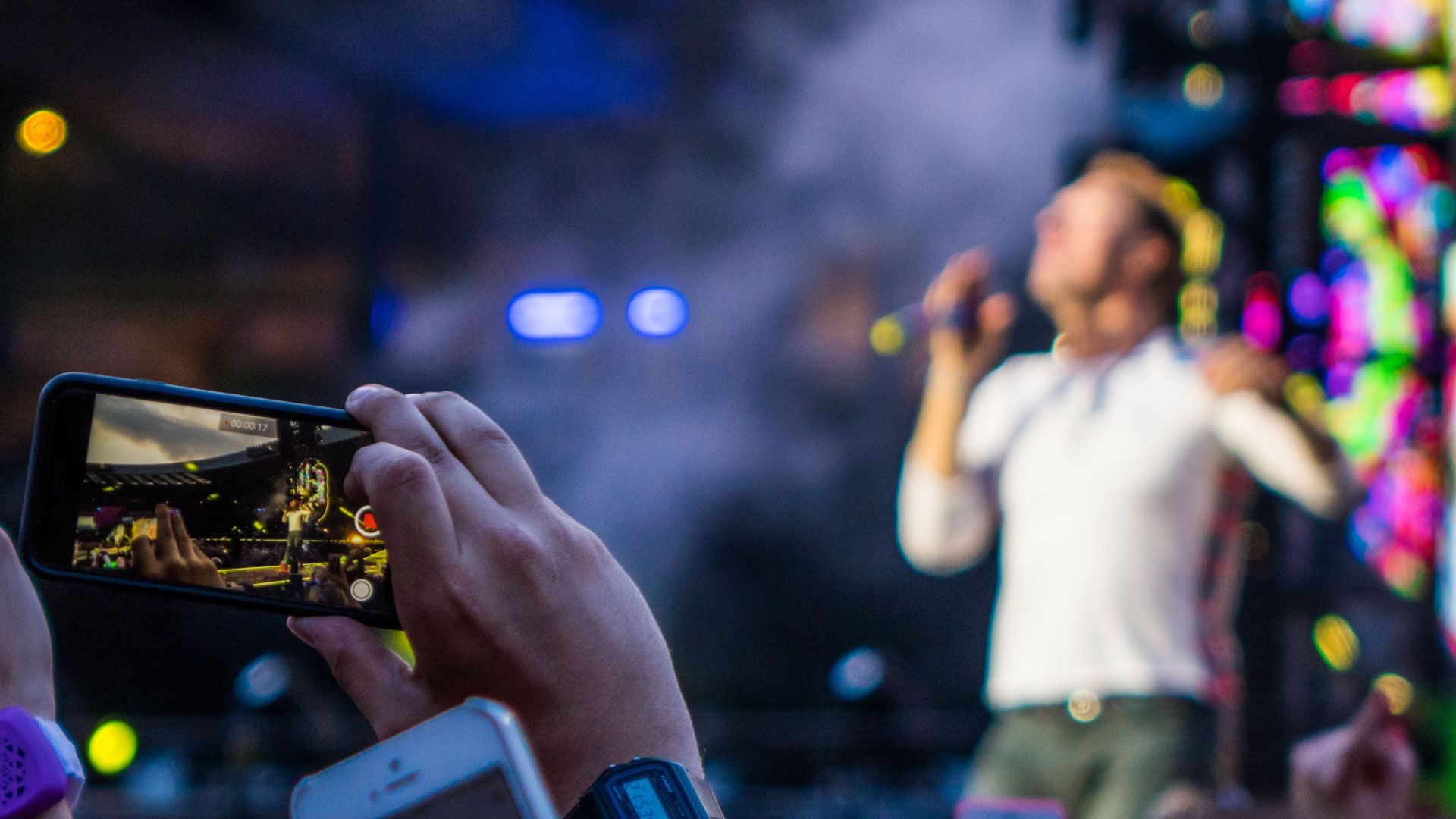
In his video for ‘Wake Me Up’, the late Swedish DJ Avicii is seen playing a concert in front of thousands of fans. From 2:56, one of the fans can be seen pulling a Sony Xperia out of her pocket and taking a photograph, with the logo clearly visible throughout the frames. A relatively natural placement compared to others on this list.
SUBTLETY RATING: 6/10
KE$HA (PLENTY OF FISH, REVOLUCION, & BABY-G)
In Ke$ha’s 2010 music video ‘We R Who We R’, two women can be seen DJing in front of a crowd whilst simultaneously using the dating website ‘Plenty Of Fish’ (because that’s what all DJs do between tracks). The following scenes feature multiple frames of people pouring Revolucion tequila and one very blatant frame shortly after promoting Baby-G watches.
SUBTLETY RATING: 0/10
BRITNEY SPEARS (SONY, PLENTY OF FISH, MAKE UP FOR EVER)
https://www.youtube.com/watch?v=Lgs9QfBxPG8
Britney’s 2011 comeback single “Hold It Against Me” was immediately criticised for the sheer volume of product placement. Sony products, the dating site Plenty of Fish (again), and Make Up For Ever cosmetics all get lingering screen time. The Make Up For Ever sequence is particularly jarring: Britney literally paints herself with the product during a fight scene. It became one of the most discussed cases of product placement overshadowing the actual music.
SUBTLETY RATING: 0/10
AVRIL LAVIGNE (SONY PHONE)
https://www.youtube.com/watch?v=gXJkEVOFpHo
This one opens with Avril casually saying “Oh, my new Sony phone is ringing” before pulling it out. It’s one of the most cringe-worthy product placements in music video history. The line is so forced and unnatural that it became a meme. If you ever want an example of how NOT to integrate a brand into a video, this is it.
SUBTLETY RATING: 0/10
JENNIFER LOPEZ (BLACKBERRY, FIAT, PLANET LOVE MATCH, TOUS, CROWN ROYAL)
https://www.youtube.com/watch?v=X3aT1riqkHc
Another shameless multi-product placement, and this time it’s Jennifer Lopez in her music video for ‘Papi’. The video starts off with J-Lo brandishing her shiny Blackberry before frantically trying to escape the hoards of men chasing after her (OK, J-Lo). During her plight to escape, J-Lo hastily walks past TOUS jewellers, paces past a man holding a bottle of Crown Royal whisky, passes another man using Planet Love Match on his laptop before jumping into a Fiat 500. Smooth.
SUBTLETY RATING: 0/10
DAVID GUETTA (RENAULT)
I don’t think anybody would disagree that David Guetta’s music video for ‘The Alphabeat’ really is just an elongated advert for the Renault Twizy electric car. The video begins with Guetta getting out of the car and hooking it up to a charging station next to a row of Twizys. He then proceeds to play a concert which appears to generate electricity to charge the cars below. At least the concept was creative.
SUBTLETY RATING: 0/10
LIL PUMP (GUCCI)
It’s not often that the brand is literally found in the name of a song, and Lil Pump’s hit single ‘Gucci Gang’ is probably the most blatant example of product placement in music videos in the streaming era. Besides being in the title, the word ‘Gucci Gang’ is uttered a total of six times during the chorus. And if that’s not enough, Lil Pump is also sporting a Gucci belt. Whether Gucci actually paid for it or Pump just really likes the brand is a question nobody has definitively answered.
SUBTLETY RATING: 0/10
DUKE DUMONT (PUMA)
As far as product placements in music videos are concerned, this example is pretty subtle. In the music video for ‘The Giver’, released by Duke Dumont in 2015, the camera momentarily pans in on a Puma trainer at 2:47 for less than a second. It’s still enough to be noticeable (but subtle enough to get away with!). Nicely done.
SUBTLETY RATING: 8/10
The Mega Strategies
BEATS BY DRE (40+ MUSIC VIDEOS, 2009-2020)
Not a single video, but a strategy worth its own entry. Beats headphones appeared in over 40 music videos between 2009 and 2020, including Britney Spears’ “Work Bitch,” Robin Thicke’s “Blurred Lines,” and Miley Cyrus’ “We Can’t Stop.” Dr. Dre and Jimmy Iovine’s plan was to make Beats synonymous with cool by getting them on screen with the coolest artists alive. It worked. Apple bought Beats for $3 billion in 2014. That’s what a sustained product placement strategy looks like when it’s done properly.
SUBTLETY RATING: THE STRATEGY GETS 10/10
LADY GAGA ft. BEYONCÉ (DIET COKE, POLAROID, VIRGIN MOBILE, MIRACLE WHIP, CHEVROLET)
This 9-minute video for “Telephone” was criticised for being swamped with brand integrations. Diet Coke, Polaroid, Virgin Mobile, Miracle Whip, and Chevrolet all appear. The Miracle Whip scene is particularly absurd: Gaga uses it as a sandwich ingredient during a murder sequence. It was so over the top that it became its own conversation about where the line between art and advertising should be.
SUBTLETY RATING: 0/10
The Classics
PSY (MERCEDES-BENZ)
It’s hard not to remember the song that broke the internet in 2012 from Korean pop star PSY. During the amusing video with what can only be described as ‘cocktail of drugs dad dancing’, PSY is seen prancing around a very, very shiny red Mercedes-Benz in more than a few scenes. With 5+ billion views (it was the first YouTube video to hit 1 billion), this is arguably the most seen product placement in music video history. Mercedes couldn’t have bought that kind of exposure with their entire annual advertising budget.
SUBTLETY RATING: 6/10
BEYONCÉ (RED LOBSTER)
When Beyoncé name-dropped the casual dining chain in “Formation,” Red Lobster’s sales jumped 33% that quarter. She wasn’t paid for it. She just mentioned them. That’s the power of organic brand integration from the biggest artist on the planet. Red Lobster didn’t even know it was coming. This is the single most effective unpaid product placement in music history.
SUBTLETY RATING: 7/10 (ORGANIC, BUT HARDLY SUBTLE)
KANYE WEST (LOUIS VUITTON)
Before Kanye’s Yeezy empire, before Adidas, there was Louis Vuitton. The “Flashing Lights” video is stylistically minimal but the luxury brand presence is unmistakable. Kanye’s entire aesthetic in this era was built around high fashion, and Louis Vuitton was central to that image. He later collaborated with the brand on a sneaker collection. This video was the starting point for one of the most significant artist/luxury brand relationships in pop culture.
SUBTLETY RATING: 6/10
RUN-DMC (ADIDAS) — “MY ADIDAS”
https://www.youtube.com/watch?v=JNua1lFDuDo
Run-DMC’s Adidas relationship is the original artist/brand partnership in hip hop. They wore Adidas because they loved the brand. Their 1986 track “My Adidas” was a genuine ode to the shoes, not a paid placement. When Adidas executives saw Run-DMC hold up their Adidas at a Madison Square Garden concert and 40,000 fans did the same, they signed the group to a $1.6 million endorsement deal. It was the first sneaker endorsement in hip hop history.
SUBTLETY RATING: 10/10 (ORGANIC, NOT PAID)
RUN-DMC ft. AEROSMITH (ADIDAS) — “WALK THIS WAY”
The follow-up. By this point Run-DMC had the Adidas deal, and the trainers are on full display as they perform alongside Aerosmith. This video crossed hip hop into the rock mainstream and took the Adidas brand with it. If you want to understand how independent music scenes build commercial relationships, the Run-DMC/Adidas story is where it all started.
SUBTLETY RATING: 10/10
NIRVANA (CONVERSE)
Nirvana’s ‘Smells Like Teen Spirit’ is one of the earliest examples of product placement in music videos. In the opening few frames, the camera moves alongside a member of the crowd, who is wearing Converse shoes. Despite featuring a product from the start, this is a very subtle placement compared to others. It wasn’t paid for. Converse just happened to be what kids wore in 1991. Sometimes the best placement isn’t a placement at all.
SUBTLETY RATING: 9/10
What Makes Product Placement Work (and What Makes It Embarrassing)
After looking at dozens of examples across four decades, a clear pattern emerges. The placements that work share three qualities: they fit the artist’s image, they serve the visual story, and they don’t insult the viewer’s intelligence.
The Beats headphone strategy is the gold standard. Headphones are a natural prop in a music context. Nobody questions why a musician has headphones. The brand gets screen time without breaking the viewer’s immersion.
The placements that fail share the opposite qualities: the product has nothing to do with the artist or the narrative, the camera lingers on it for too long, and the viewer feels like they’re watching a commercial. Avril Lavigne saying “oh, my new Sony phone is ringing” is the canonical example. Lady Gaga making a sandwich with Miracle Whip during a murder scene is a close second.
The newer model, where artists like Travis Scott and Ice Spice build entire brand ecosystems rather than doing one-off video placements, represents a fundamental shift. The placement isn’t in the video. The brand IS the artist’s world. McDonald’s meals, Fortnite skins, custom Mercedes designs. The line between music, marketing, and lifestyle has essentially disappeared.
Run-DMC and Adidas showed what happens when the relationship is genuine. Beyoncé and Red Lobster showed what happens when an organic mention hits at scale. The lesson for brands is clear: authenticity converts. Force it, and the internet will roast you for it.
For more examples of how advertising and entertainment intersect, check out 7 genius examples of product placement in TV and cinema and the past, present and future of advertising in video games.
Frequently Asked Questions
How much does product placement in a music video cost?
It depends entirely on the artist’s reach. For a mid-tier artist with a few million subscribers, expect £10,000 to £50,000. For A-list artists like Drake or Beyoncé, placements can cost six or seven figures. Some deals are “contra” (free products instead of cash), especially for emerging artists.
Do artists always get paid for product placement?
No. Some placements are organic. Run-DMC wore Adidas because they loved the brand, not because they were paid. Beyoncé mentioned Red Lobster in “Formation” without a brand deal. Cardi B rapped about Christian Louboutin because she genuinely wears them. But most visible placements in major music videos involve some form of compensation.
Is product placement in music videos legal?
Yes, but regulations vary by country. In the UK, Ofcom requires that paid-for product placement is disclosed. In the US, the FTC requires disclosure of “material connections” between advertisers and content creators. In practice, enforcement in music videos is inconsistent compared to other media.
How effective is product placement compared to traditional advertising?
Very. Nielsen research found that product placement in music videos drives an 8 percentage point lift in purchase intent, often outperforming traditional ad campaigns. The key advantage is that viewers are emotionally engaged with the content, not in “being sold to” mode. Beyoncé’s Red Lobster mention drove a 33% sales increase with zero paid media spend.
What is virtual product placement in music videos?
Virtual product placement (VPP) uses AI to digitally insert branded products into finished videos after production. Companies like Mirriad offer this technology, allowing brands to be added to existing music video content without the artist being present during filming. This makes placements more scalable and affordable for smaller brands.
Which brands appear most often in music videos?
Luxury car brands (Mercedes-Benz, Rolls-Royce, Lamborghini) and fashion brands (Nike, Adidas, Gucci) dominate. Beats headphones appeared in over 40 music videos between 2009 and 2020. Rolls-Royce is reportedly one of the most name-dropped brands in Billboard Top 20 songs.
Can small brands use product placement in music videos?
Yes, especially with emerging artists. Contra deals (providing free products in exchange for placement) are common for smaller brands working with up-and-coming artists. Virtual product placement technology is also making it more accessible for brands that can’t afford traditional integration fees.
This article was originally published in 2023 and has been substantially expanded and updated in March 2026 with new examples, industry data, and analysis.
Want to talk about music marketing or digital strategy for your label or brand? Get in touch or book a free website audit.
Do you know of any other notable examples of product placement in music videos? Leave a comment and let us know!
Comments
-
James Toks August 6, 2023 at 6:01 am
Wow – that Post Malone bit was a banger!!
-
ColinEvify August 6, 2023 at 4:18 pm
Product placement really is becoming larger than life these days


Comments are closed.

Wow – that Post Malone bit was a banger!!
Product placement really is becoming larger than life these days